
Introduction
Organic fertilizers are becoming essential for farmers who want sustainable and chemical-free agriculture. Unlike synthetic fertilizers, organic fertilizers not only provide nutrients but also improve soil structure naturally. In 2026, more farmers are shifting toward organic inputs to protect soil health and increase long-term productivity.
🌿 What Are Organic Fertilizers?
Organic fertilizers are natural nutrient sources derived from plant, animal, or mineral materials.
Instead of feeding only the crop, they feed the soil ecosystem. These fertilizers:
- Release nutrients slowly
- Improve soil microbial activity
- Enhance soil texture and structure
- Increase organic matter content
They create a balanced environment for healthy plant growth.
🌾 Types of Organic Fertilizers
1️⃣ Vermicompost
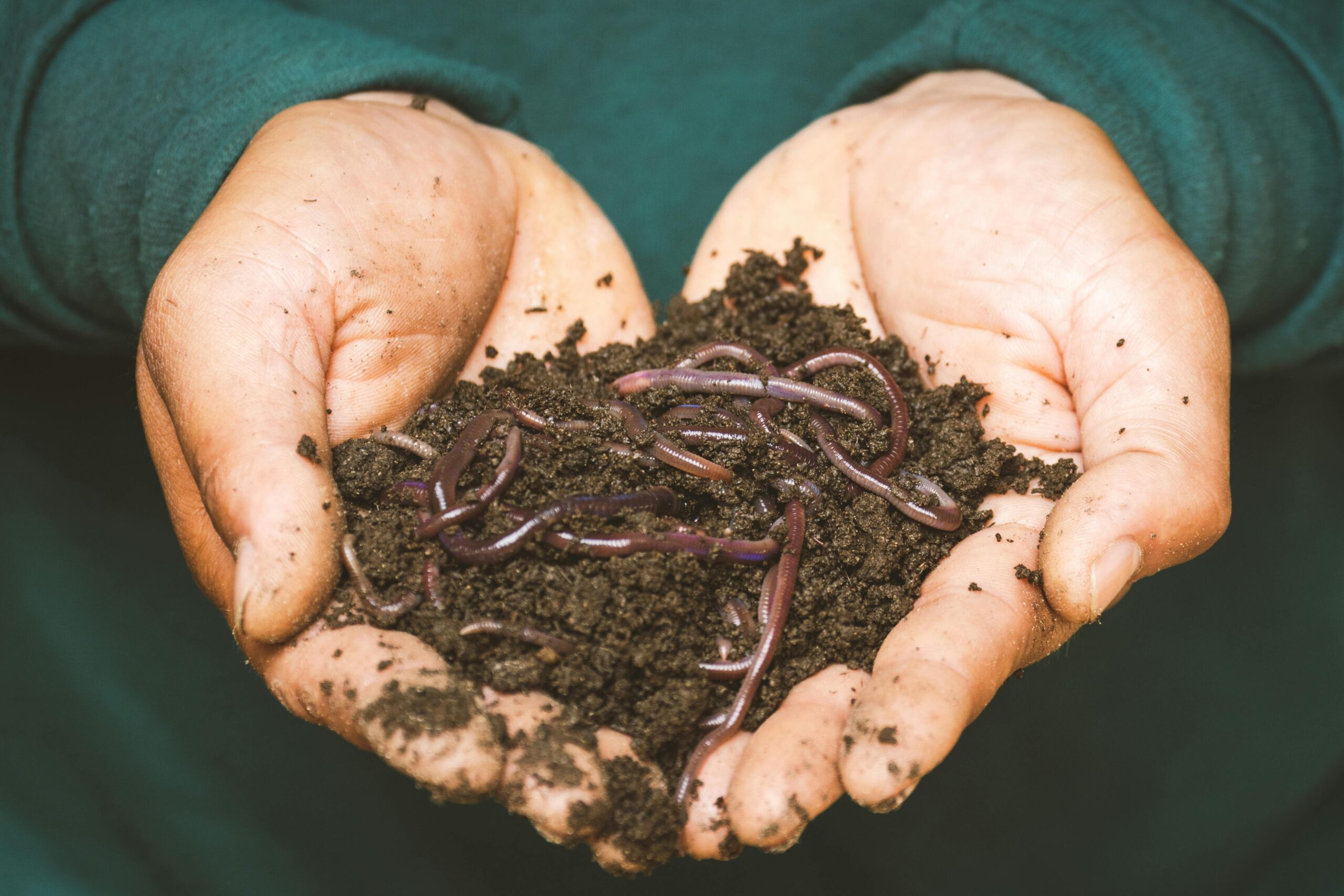
Produced using earthworms, vermicompost is rich in nutrients and beneficial microbes. It improves soil aeration and boosts plant growth naturally.
2️⃣ Cow Dung Manure
One of the oldest natural fertilizers, cow dung manure enhances soil fertility and improves moisture retention.
3️⃣ Bio-Fertilizers
These contain beneficial microorganisms that help fix nitrogen and improve nutrient availability to plants.
4️⃣ Bone Meal
A natural source of phosphorus and calcium, bone meal supports strong root development and flowering.
5️⃣ Neem Cake
Made from neem seeds, neem cake acts as both a fertilizer and natural pest repellent.
🌍 Benefits of Organic Fertilizers
1️⃣ Improves Soil Fertility
They increase organic matter and microbial activity in the soil.
2️⃣ Increases Water Retention
Organic matter helps soil hold water for longer periods.
3️⃣ Safe for Crops and Environment
They reduce chemical contamination and protect biodiversity.
4️⃣ Enhances Long-Term Productivity
Continuous use improves soil structure and ensures sustainable yields.
🌾 Why Farmers Are Choosing Organic Inputs in 2026
- Rising demand for chemical-free produce
- Growing awareness about soil degradation
- Government encouragement for sustainable farming
- Export opportunities for organic crops
- Organic fertilizers support both environmental protection and farm profitability.
Conclusion
Switching to organic fertilizers is a smart step toward healthier crops and sustainable farming. By improving soil naturally and reducing chemical dependency, farmers can secure better productivity for future generations.