Introduction
Farm mechanization is a modern agricultural approach that focuses on using machines and advanced equipment to perform farming activities efficiently. In recent years, farm mechanization in India has become increasingly important due to labor shortages, rising costs, and the need for higher productivity.
For farmers, mechanization is not just about machines — it is a long-term investment in productivity, efficiency, and profitability.
🚜 What is Farm Mechanization?
Instead of depending fully on manual labor, farm mechanization uses machines to improve farming operations.
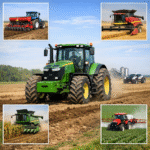
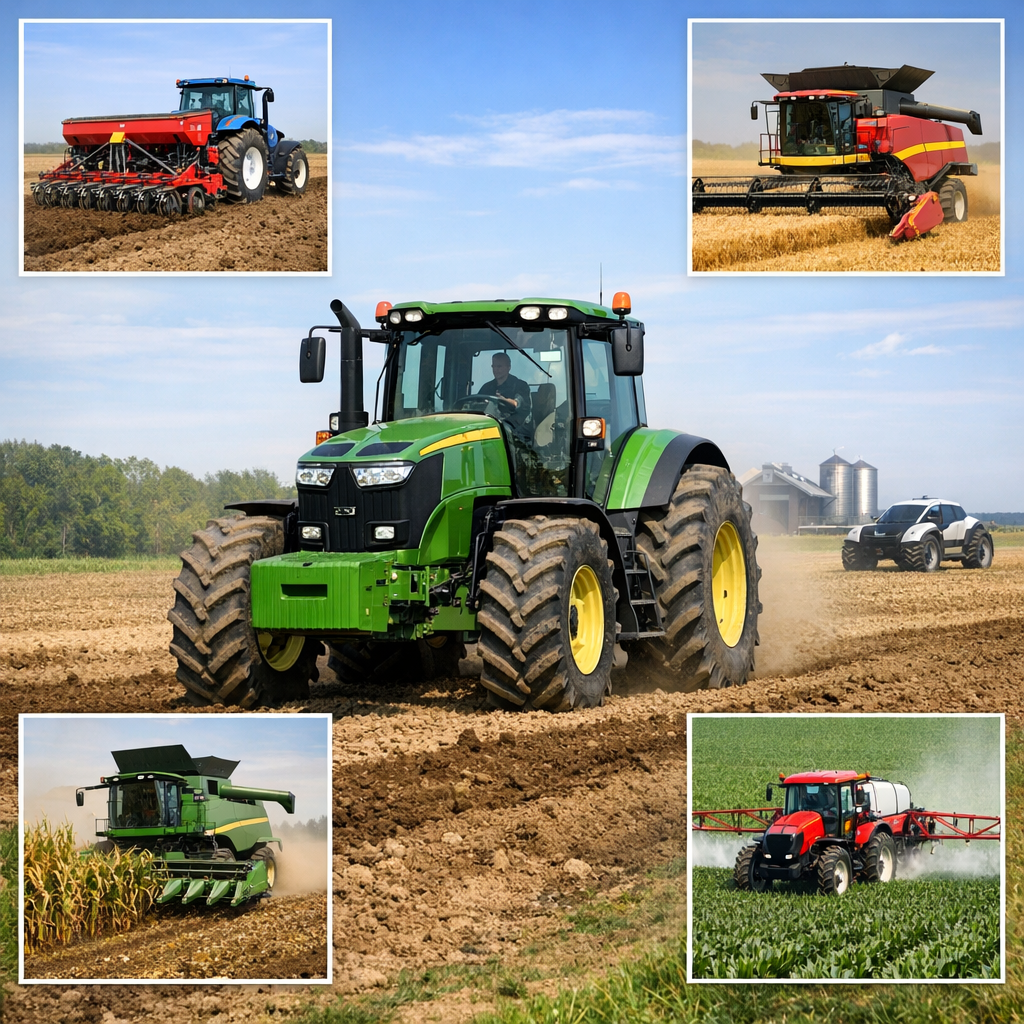
Farm mechanization includes the use of:
- Tractors for ploughing and transportation
- Seed drills for uniform sowing
- Harvesters for faster crop cutting
- Sprayers for crop protection
- Modern irrigation equipment
🌍 Why Farm Mechanization is Important in 2026
With increasing demand for food and limited agricultural labor, mechanization is becoming essential.
Key Reasons:
- Shortage of farm labor
- Need for higher crop productivity
- Rising labor costs
- Time-sensitive farming operations
- Government subsidies on farm equipment
India is rapidly adopting modern agricultural machinery to improve farming efficiency.
🌾 Benefits of Farm Mechanization
1️⃣ Saves Time
Machines complete farming tasks much faster compared to manual labor.
2️⃣ Increases Productivity
Efficient operations result in better crop yield and higher output.
3️⃣ Reduces Manual Labor
Less physical effort is required, making farming easier and less stressful.
4️⃣ Improves Accuracy
Seed drills and sprayers ensure proper spacing and correct application of inputs.
5️⃣ Cost-Effective in the Long Run
Though initial investment is high, machines reduce long-term labor costs.
🧪 Common Farm Machinery Used
🚜 1. Tractors
Used for ploughing, tilling, transportation, and multiple farm operations.
🌱 2. Seed Drills
Help in uniform seed placement and proper depth control.
🌾 3. Harvesters
Speed up harvesting and reduce post-harvest losses.
💧 4. Sprayers
Used for applying fertilizers and pesticides evenly.
⚙ 5. Power Tillers
Suitable for small and medium farms for soil preparation.
💧 Role of Technology in Modern Farming
Advanced technology is transforming traditional farming practices.
- GPS-based equipment improves precision
- Drip irrigation systems save water
- Mechanized threshers reduce grain losses
- Smart machines reduce human errors
- Combining machinery with technology ensures better productivity and profitability.
📈 Is Farm Mechanization Profitable?
Yes, farm mechanization can significantly increase farm income when used properly.
Key factors for profitability:
- Selecting the right machinery
- Proper maintenance
- Government subsidy utilization
- Custom hiring services for small farmers
- Many Indian farmers are improving their income through mechanized farming.
🚜 Challenges in Farm Mechanization
- High initial investment
- Small land holdings
- Maintenance costs
- Need for technical knowledge
- However, long-term benefits outweigh these challenges.
🌿 Future of Farm Mechanization in India
The future looks promising due to:
- Government support programs
- Rising awareness among farmers
- Technological advancements
- Growth of smart farming solutions
- Farmers adopting mechanization today are preparing for sustainable and profitable agriculture.
Conclusion
Farm mechanization is not just modernization — it is the future of efficient agriculture. By using advanced machines and technology, farmers can increase productivity, reduce costs, and achieve long-term success.
At Sasyam Organics, we support innovative farming solutions that help farmers grow better and smarter.