Introduction
Sustainable agriculture is a farming approach that focuses on meeting today’s food needs without compromising the ability of future generations to meet theirs. It combines productivity with environmental responsibility, ensuring that natural resources like soil and water are protected. In recent years, sustainable agriculture in India has gained importance due to climate change, soil degradation, and increasing food demand.
For farmers, sustainable farming is not just a practice — it is a long-term commitment to productivity, profitability, and environmental care.
🌱 What is Sustainable Agriculture?
Instead of overusing natural resources, sustainable agriculture works in harmony with nature.
Sustainable agriculture is based on:
- Soil conservation practices
- Efficient water management
- Protection of biodiversity
- Reduced chemical usage
- Balanced crop production systems
🌍 Why Sustainable Agriculture is Important in 2026
With rising environmental concerns and unpredictable weather patterns, sustainable farming is more important than ever.
Key Reasons:
- Declining soil fertility
- Water scarcity issues
- Climate change impact on crops
- Need for safe and healthy food
- Government focus on eco-friendly farming
- India is actively promoting sustainable agricultural practices to secure future food production.
🌾 Key Principles of Sustainable Agriculture
1️⃣ Soil Conservation
Protecting soil from erosion and maintaining its fertility for long-term productivity.
2️⃣ Water Efficiency
Using drip irrigation and rainwater harvesting to reduce water wastage.
3️⃣ Biodiversity Protection
Encouraging multiple crops and natural ecosystems to improve farm resilience.
4️⃣ Reduced Chemical Use
Minimizing synthetic fertilizers and pesticides to protect soil and water.
5️⃣ Balanced Productivity
Ensuring steady crop yields without harming natural resources.
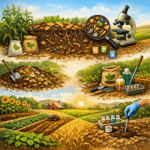
🧪 Methods Used in Sustainable Farming
🌿 1. Crop Rotation
Rotating crops to improve soil nutrients and reduce pest problems.
🌾 2. Mulching
Covering soil to retain moisture and prevent erosion.
🐛 3. Integrated Pest Management
Using natural pest control methods along with limited chemical use.
🌱 4. Organic and Natural Inputs
Applying compost, bio-fertilizers, and natural soil enhancers.
💧 Role of Soil and Water Management
Healthy soil and proper irrigation form the foundation of sustainable agriculture.
- Drip irrigation improves water efficiency
- Compost enhances soil structure
- Contour farming prevents soil erosion
- Water harvesting conserves resources
- Combining these practices ensures stable yields and long-term sustainability.
📈 Is Sustainable Agriculture Profitable?
Yes, sustainable farming can improve long-term profitability when managed correctly.
Key factors for success:
- Reducing input costs
- Maintaining soil health
- Diversifying crops
- Accessing eco-friendly markets
- Many farmers are achieving stable income while protecting their land for future generations.
🚜 Challenges in Sustainable Agriculture
- Initial transition adjustments
- Need for farmer education
- Investment in water-saving systems
- Market awareness for sustainable produce
- However, long-term benefits outweigh short-term challenges.
🌿 Future of Sustainable Agriculture in India
The future looks promising due to:
- Growing environmental awareness
- Government support programs
- Technological advancements
- Demand for safe and responsibly grown food
- Farmers adopting sustainable agriculture today are building a secure and resilient future.
Conclusion
Sustainable agriculture is not just a concept — it is the path to long-term farming success. By balancing productivity with environmental protection, farmers can secure their income while preserving natural resources.
At Sasyam Organics, we believe in promoting sustainable farming solutions that protect the environment and ensure better harvests for generations to come.