Introduction
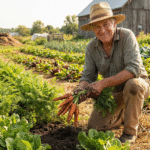
Organic vegetables are becoming increasingly popular due to rising health awareness among consumers. People today prefer fresh, chemical-free food that supports better immunity and overall well-being. In recent years, the demand for organic vegetables in India has grown rapidly as families focus more on safe and nutritious food choices.
For farmers, growing organic vegetables is not just cultivation — it is a smart business opportunity with strong and stable market demand.
🌱 What are Organic Vegetables?
Organic vegetables are grown without synthetic fertilizers, pesticides, or harmful chemicals.
They are produced using:
- Natural compost and manure
- Biological pest control methods
- Crop rotation practices
- Organic soil improvement techniques
- Sustainable farming practices
🌍 Why Organic Vegetables are Important in 2026
With increasing health concerns and lifestyle diseases, consumers are shifting towards organic food.
Key Reasons:
- Growing demand for chemical-free vegetables
- Rising awareness about food safety
- Preference for fresh and local produce
- Support from government for organic farming
- Expansion of organic retail markets
India is seeing strong growth in organic vegetable consumption across cities and towns.
🌾 Best Organic Vegetables to Grow
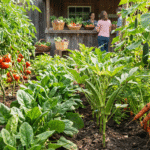
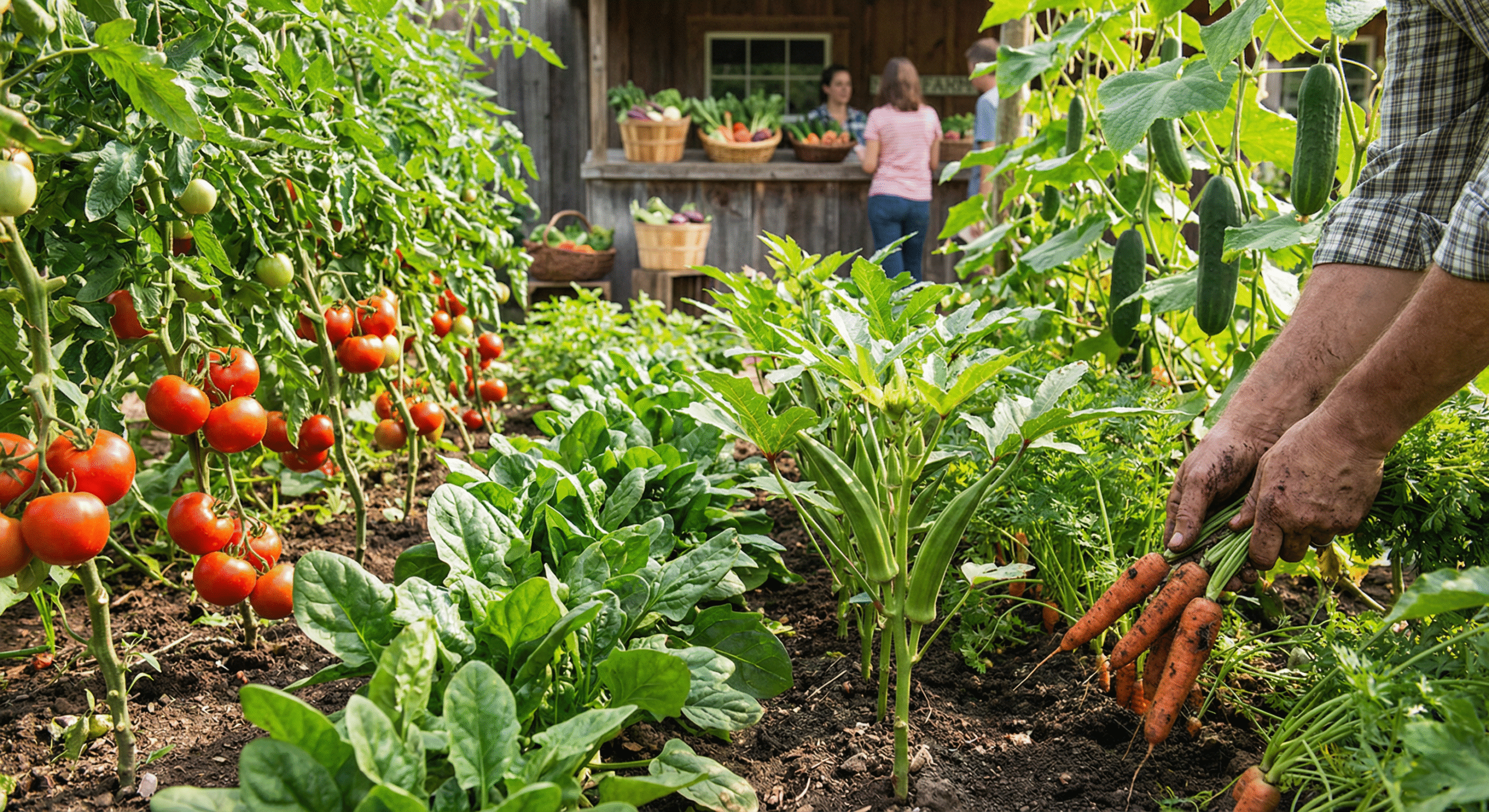
1️⃣ Tomatoes
High demand in daily cooking and strong market value.
2️⃣ Spinach
Fast-growing leafy vegetable with regular consumer demand.
3️⃣ Okra
Popular vegetable with good yield and steady sales.
4️⃣ Carrots
Nutrient-rich root crop preferred by health-conscious buyers.
5️⃣ Cucumber
Widely consumed fresh vegetable with high summer demand.
🌿 Benefits of Growing Organic Vegetables
1️⃣ Higher Market Price
Organic vegetables are sold at premium prices compared to conventional produce.
2️⃣ Chemical-Free Produce
Farmers provide safe and healthy vegetables to consumers.
3️⃣ Strong Customer Demand
Urban markets and supermarkets actively promote organic produce.
4️⃣ Improved Soil Health
Organic methods improve soil fertility and long-term productivity.
5️⃣ Sustainable Income
Consistent demand ensures regular income opportunities.
💧 Role of Soil and Water Management
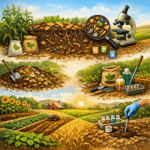
Healthy soil and efficient irrigation are essential for organic vegetable farming.
- Drip irrigation saves water
- Compost improves soil structure
- Mulching reduces weed growth
- Proper drainage prevents root diseases
- Combining these practices improves yield and crop quality.
📈 Is Growing Organic Vegetables Profitable?
Yes, organic vegetable farming can be highly profitable when managed properly.
Key factors for profitability:
- Selecting high-demand crops
- Direct marketing to consumers
- Reducing input costs through natural methods
- Supplying to organic stores and local markets
- Many farmers are increasing their income through organic vegetable cultivation.
🚜 Challenges in Organic Vegetable Farming
- Initial transition period
- Need for pest management knowledge
- Market certification requirements
- Higher labor involvement
- However, the long-term benefits outweigh these initial challenges.
🌿 Future of Organic Vegetable Farming in India
The future looks promising due to:
- Increasing consumer awareness
- Growth in health-conscious population
- Government support schemes
- Expansion of online organic markets
- Farmers adopting organic vegetable farming today are building a sustainable and profitable future.
Conclusion
Growing organic vegetables is not just a farming practice — it is a pathway to healthier communities and higher farmer income. By focusing on natural methods and market demand, farmers can achieve long-term success while promoting safe food choices.
At Sasyam Organics, we believe in empowering farmers with sustainable solutions for better harvests and healthier lives.